Our Beginnings
From Helena’s Early Church Life to a New Cathedral Vision
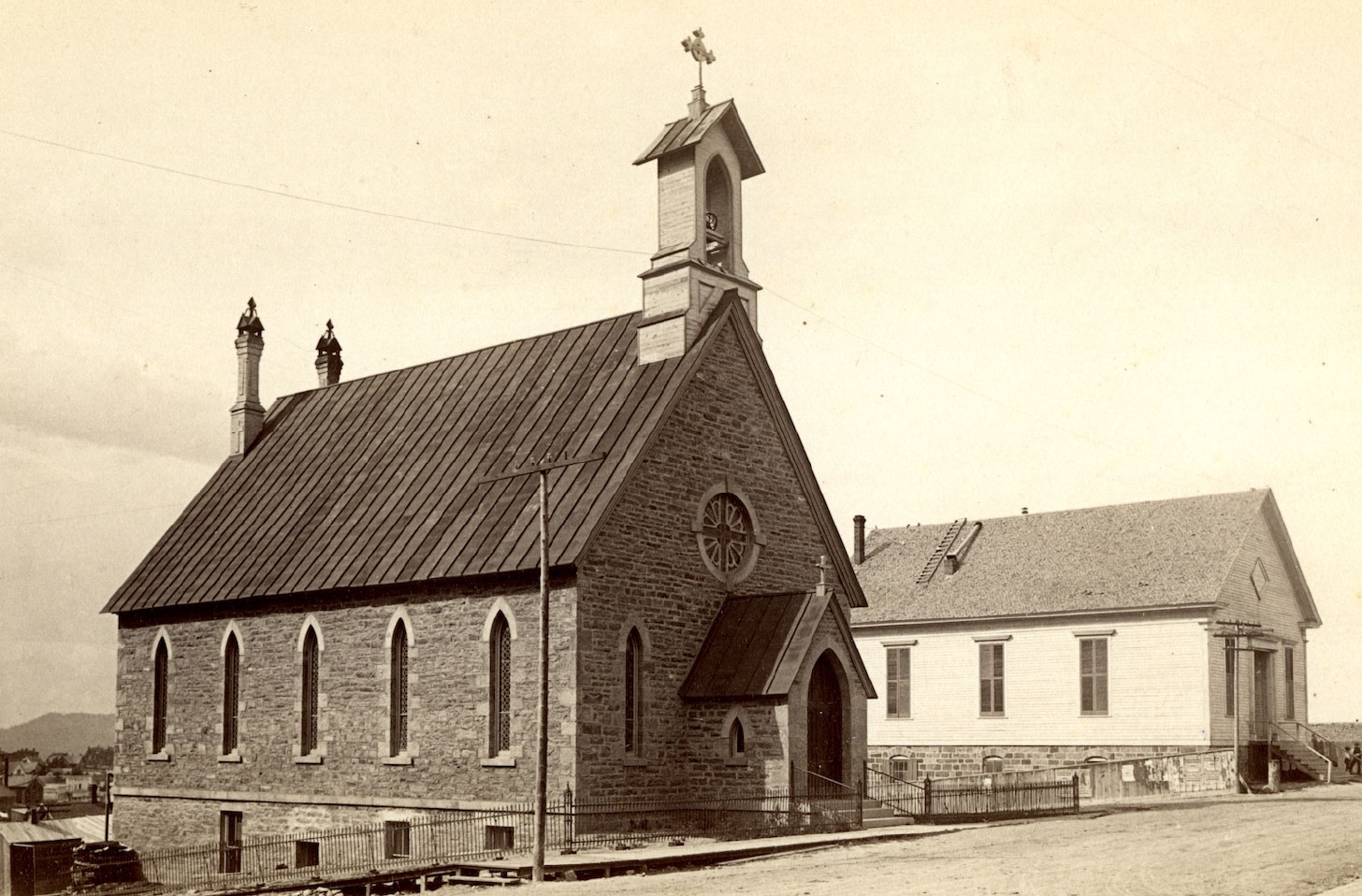
St. Peter’s story begins in Helena’s early years, when the first St. Peter’s opened its doors in 1879 at Grand Street and Warren.
By 1930, the congregation was ready for a new church home. The original building had become difficult to use, with inadequate lighting and ventilation, limited kitchen facilities, no baptistry, and an inaccessible chapel.
Rector Henry H. Daniels described the new Park Avenue site as centrally located and well suited for the church’s future.
Architecture
Building on Park Avenue
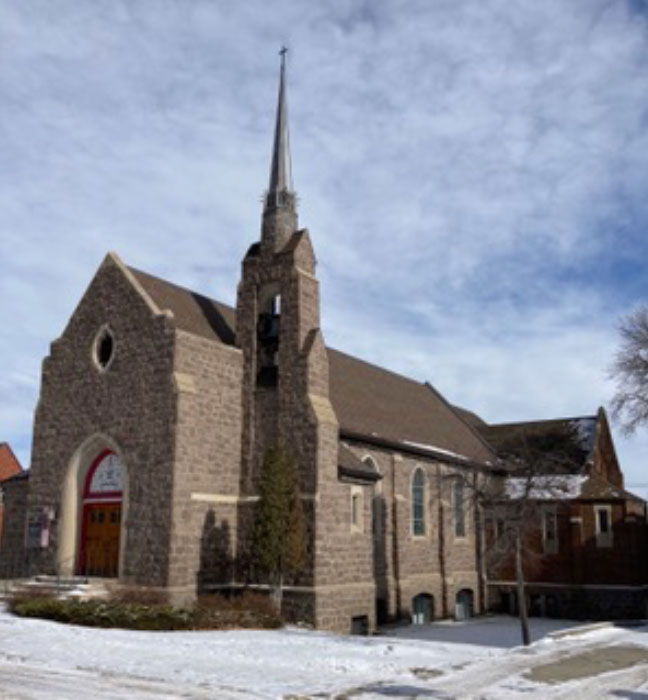
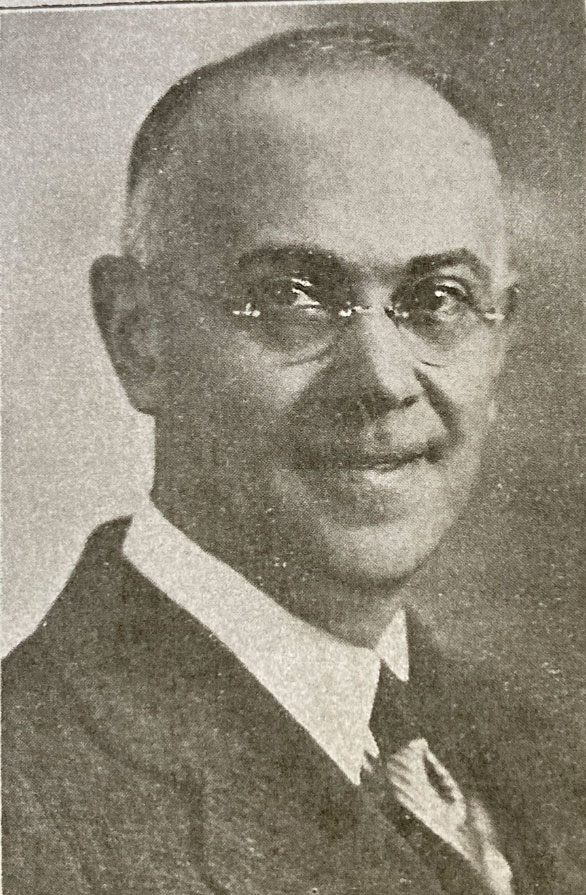
Spokane architect Harold C. Whitehouse designed St. Peter’s in the early English Gothic style, drawing heavily from Arts and Crafts ideals emphasizing beauty, craftsmanship, and honesty in materials.
The design carefully balanced sacred tradition with the practical needs of a growing congregation, creating a cathedral that was both spiritually meaningful and deeply connected to Helena itself.
Whitehouse’s influence extended beyond the architecture into furnishings, lighting, woodwork, and decorative details throughout the cathedral.
Materials & Craftsmanship
Built From Helena’s Landscape
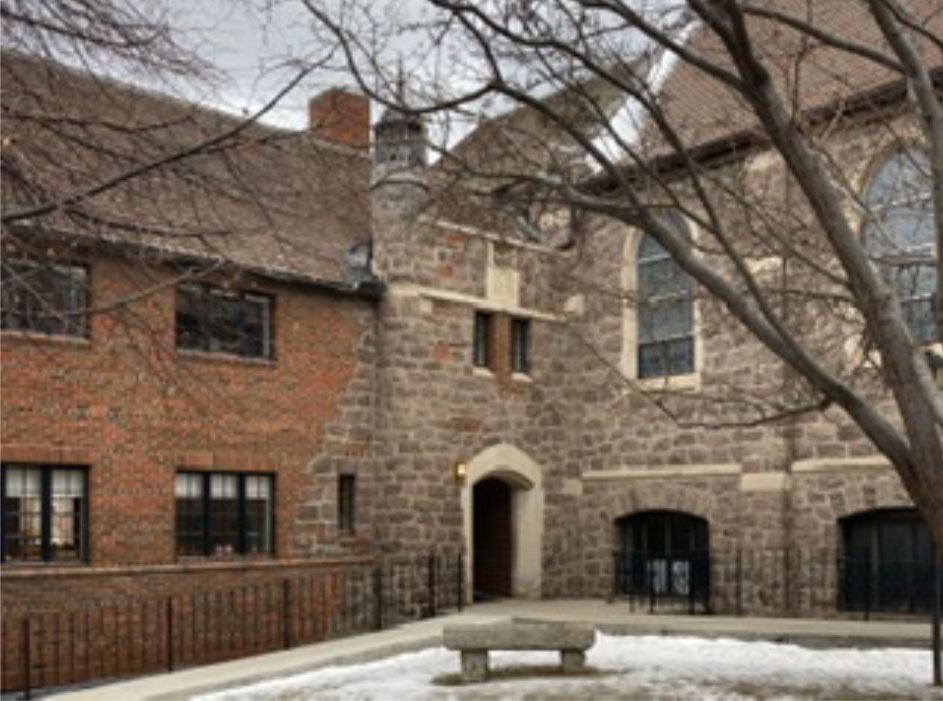
The cathedral exterior was constructed using local Helena Brownstone quarried near Montana City, paired with locally produced brick from Western Clay Manufacturing Company.
The building’s placement on the sloping Park Avenue site allowed Whitehouse to integrate the Undercroft and parish gathering spaces naturally into the structure below the sanctuary.
Every material choice reflected the Arts and Crafts philosophy that beauty should come from authenticity, local craftsmanship, and thoughtful design.
The Chapel
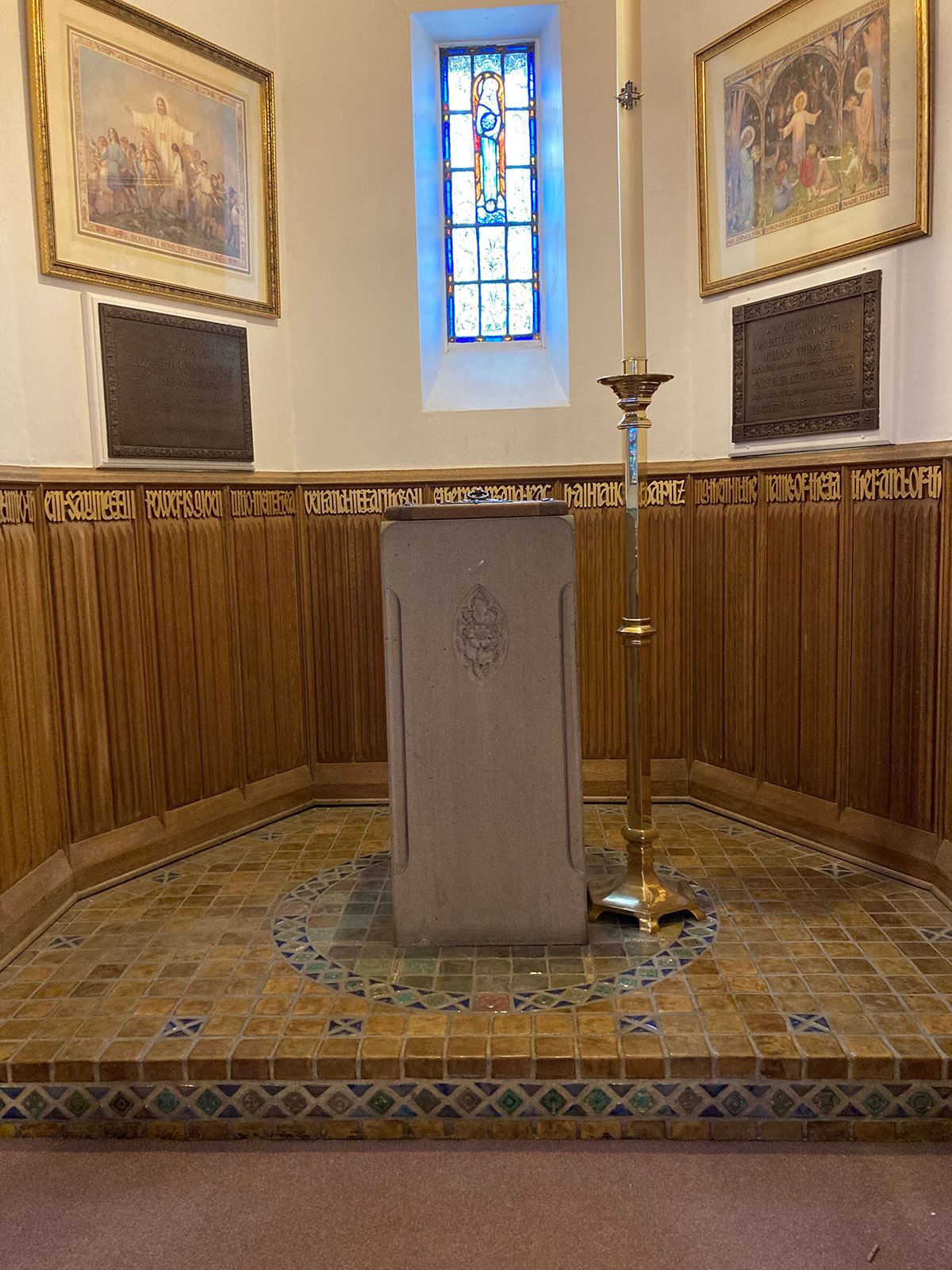
The Chapel of St. Michael and All Angels
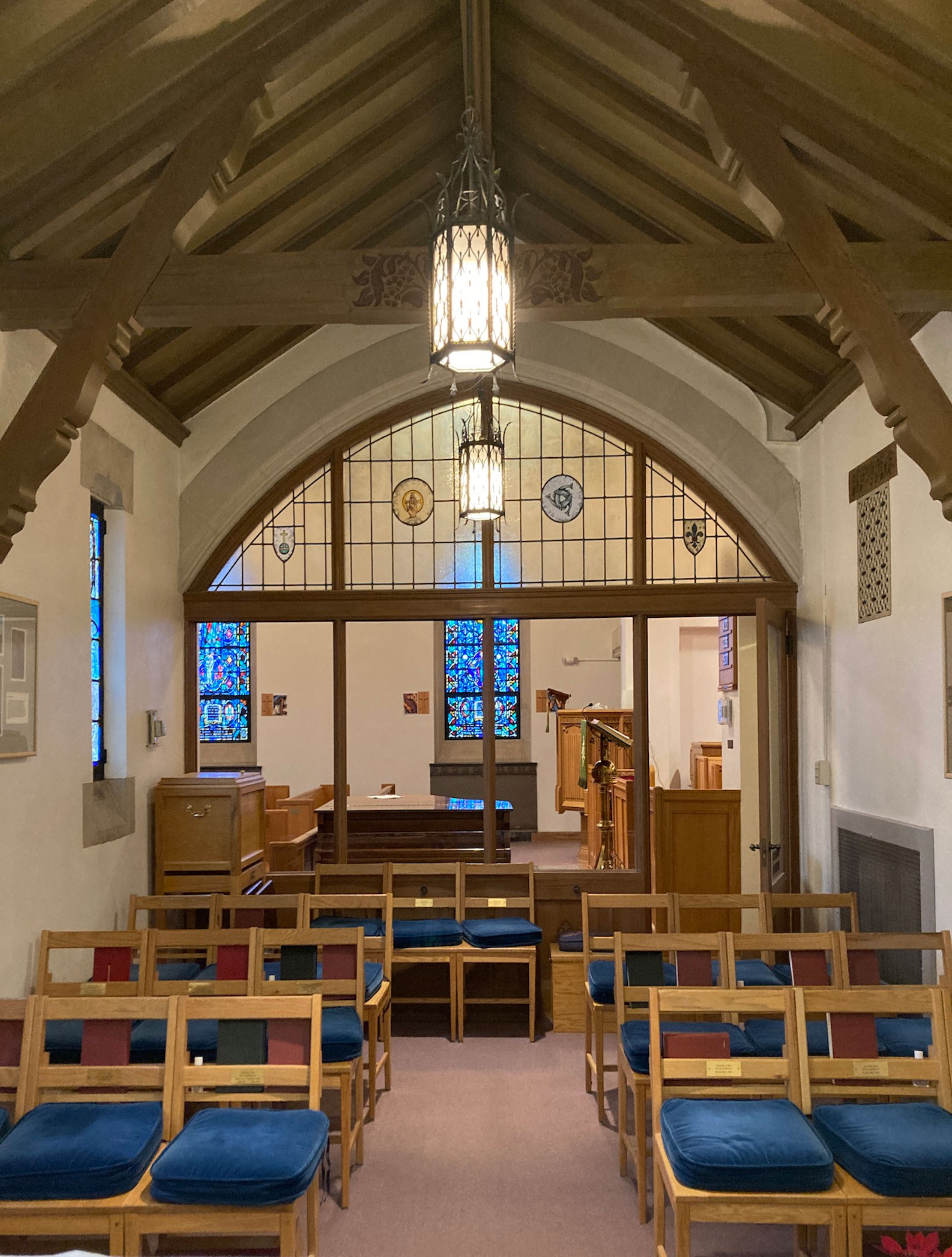
The chapel was designed as an intimate and accessible worship space for weekday services and smaller gatherings within the life of the cathedral.
Over time, it became home to memorials, stained glass, sacred symbolism, and gifts reflecting the spiritual lives and stories of generations of parishioners.
The chapel’s atmosphere of quiet reflection remains one of the most beloved spaces within the cathedral today.
Stained Glass & Memorials
Windows Filled With Story and Symbol
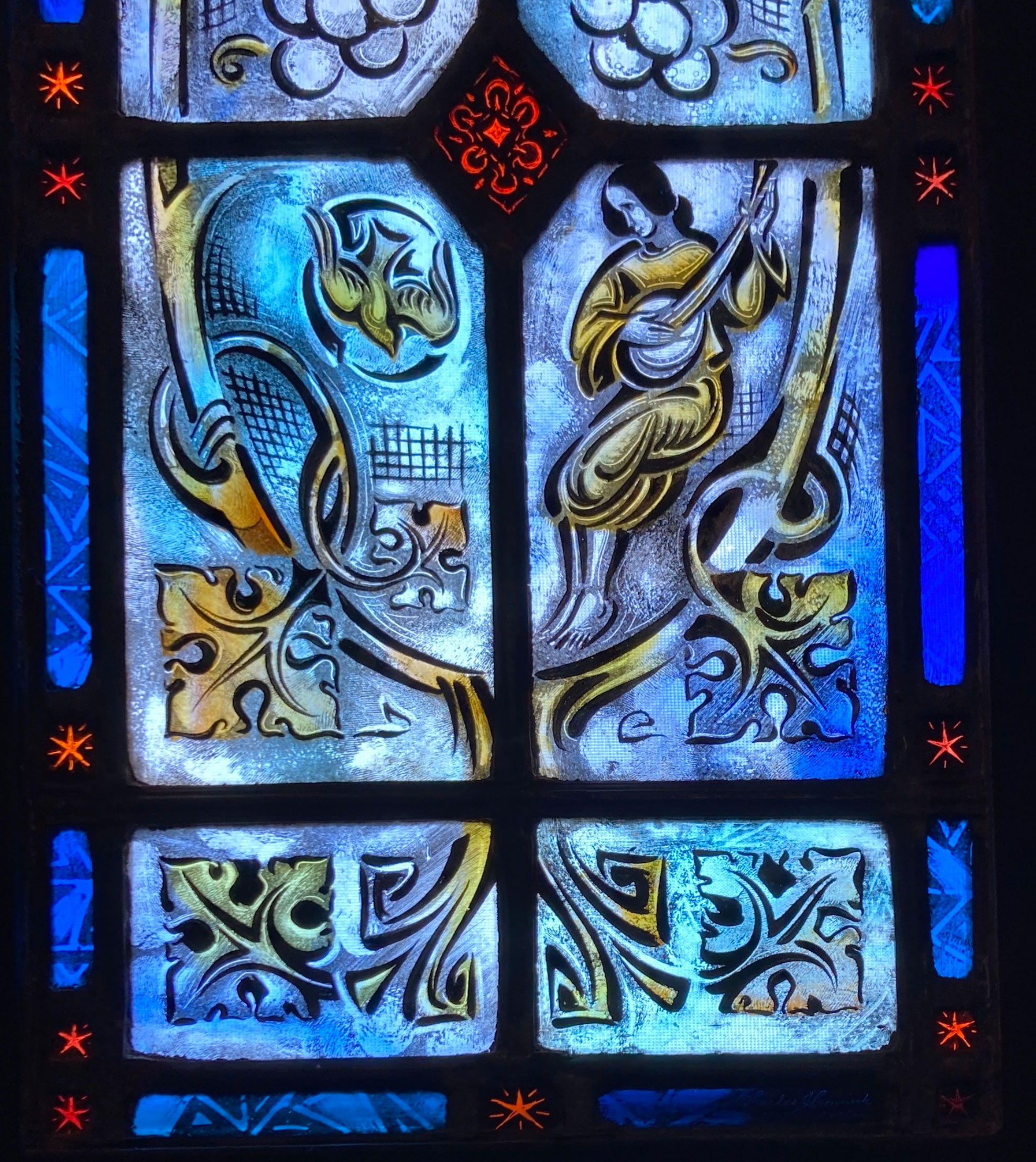
Throughout the cathedral and chapel, stained glass windows illuminate biblical stories, memorial dedications, and symbols of faith using rich medieval-inspired colors and craftsmanship.
Several windows were created by Charles J. Connick Studios, whose work became nationally recognized for reviving traditional stained-glass artistry in American churches.
Sacred Details
Handmade Craft and Symbolic Design
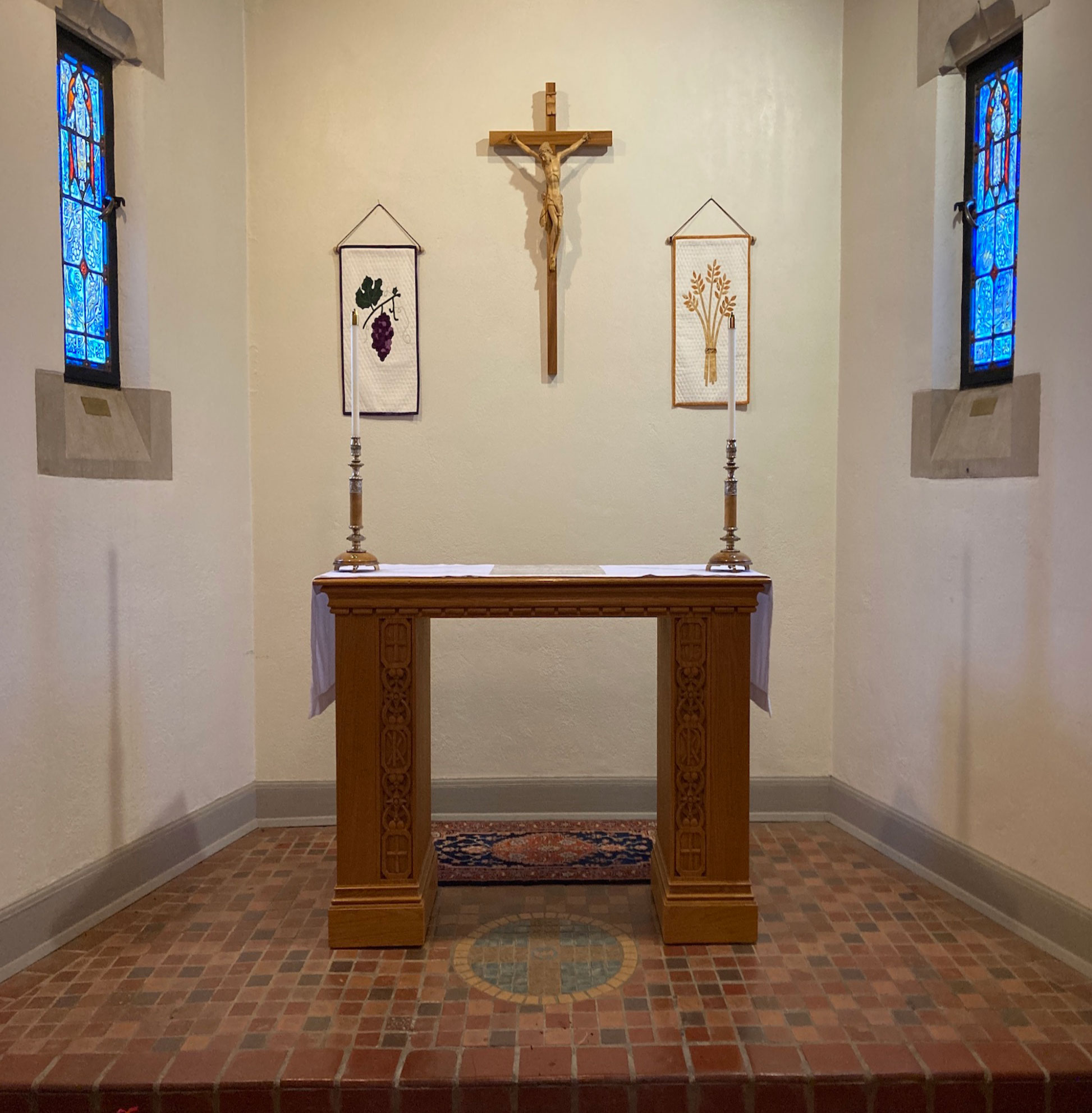
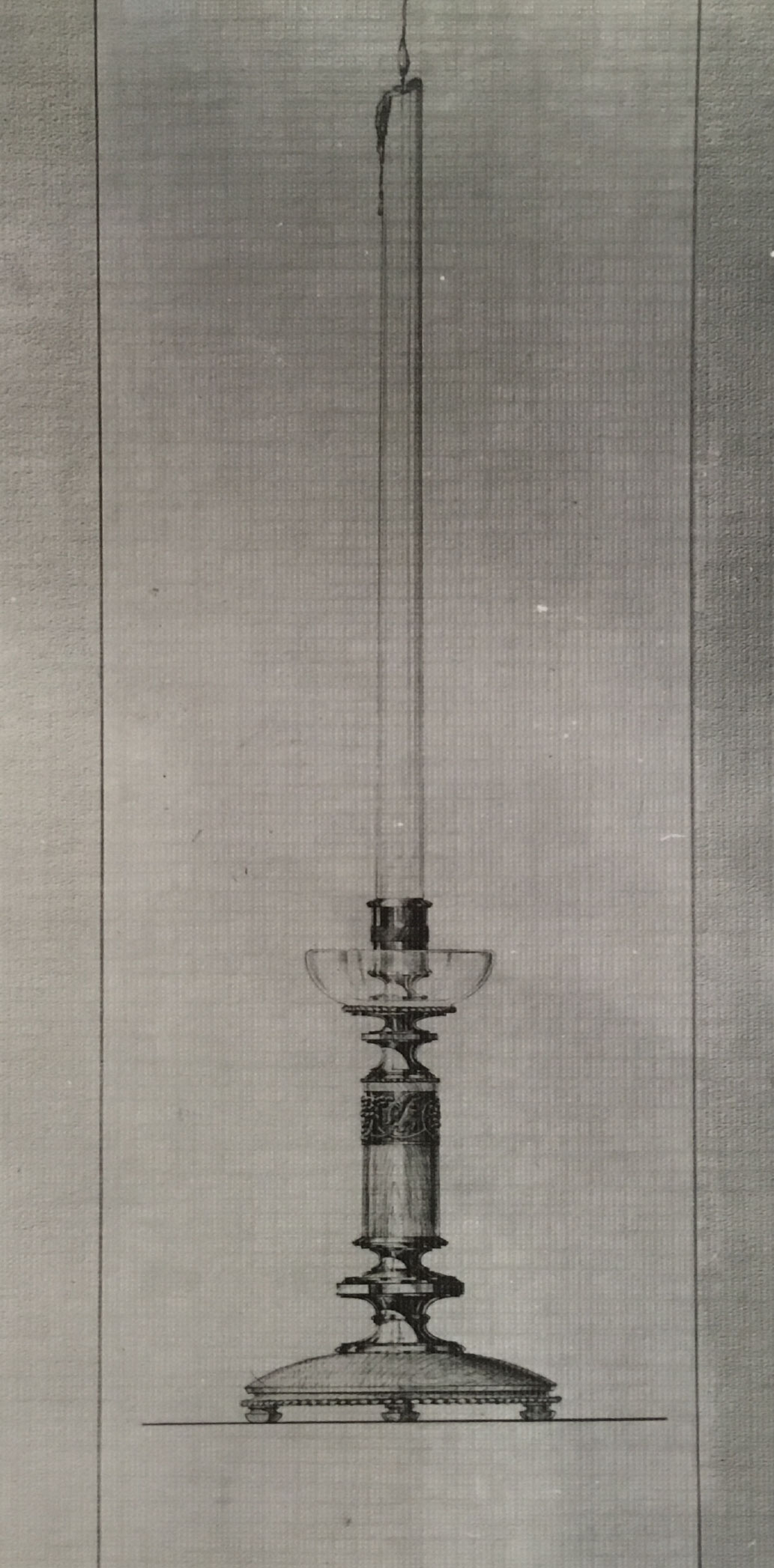
Whitehouse designed many of the cathedral’s liturgical furnishings and decorative details, including candle holders, woodwork, carved elements, and sacred furnishings intended to work together in harmony.
These carefully crafted details reinforce the cathedral’s central vision: that every element of the building should contribute to worship, beauty, and spiritual reflection.
Historic Timeline
From Mission Roots to Cathedral Life
1867-1905Mission Roots & First Church
- 1867
May 1: Daniel Sylvester Tuttle consecrated as Bishop of the Territories of Montana, Idaho and Utah
- 1867
July 19: Daniel Sylvester Tuttle and assistant E.N. Goddard arrived in Virginia City, M.T.
- 1867
August 11: “Indeed, anything but a calm, quiet Sunday is this…As I went by the hurdy-gurdy house on my way to address the Sunday-school of the Methodist Church…“ services today, through its doors and windows flung widely open I saw scores and hundreds of men, and ten or a dozen women, dancing to the accompanist of fiddles, and drinking and cursing…Outside the door sprawled a man, dead drunk. Still there are here, as the congregation this morning showed, many gentlemen of culture and good breeding, a few accomplished Christian ladies and some children. ‘Now is the time for the Church to act. She must occupy here at once…” (Bishop D.S. Tuttle)
- 1867
August 12: St. Peter’s Mission formed
- 1867
December 20: "Accordingly on Sunday, December 20th, in the morning and in the evening I held services in the court-house. These I continued, morning and evening, every Sunday thereafter, uninterruptedly, until August 1869." (Bishop D.S. Tuttle)
- 1868-1869
Winter: “Early in my stay in Helena I bought the lot on which St. Peter’s church now (1893) stands, paying for it $1,200. The lot was a lumber yard. I had only $400 to pay down but the $800 I borrowed. The lender let me have it free of interest for one month, after that I paid three per cent a month. Subsequently generous friends in the East sent me funds, and holding some in trust for future and not immediate use, I in turn became a lender. I loaned $3,300 to a merchant for a year at 25% interest. His store burned, but the insurance policy having been assigned to me, the lot and insurance money made me whole.” (Bishop D.S. Tuttle)
- 1869
January 31: First Sunday School started
- 1869
On Easter Sunday, first public Communion service held at County Courthouse
- 1870-1875
St. Peter’s Mission rector/priest position is vacant
- 1878
September 20: Contract for "laying the foundation of the new Episcopal Church has been awarded to P.J. Perine…" (Montana Record-Herald)
- 1879
May 8: Gothic style stone building constructed by mason Peter J. Perine and carpenter Thomas Tweedy on the southwest corner of Grand Street and Warren
- 1879
August 27: St. Peter’s Parish organized
- 1879
October 19: First services held in church on Grand and Warren
- 1881
November 9: Tuttle consecrated St. Peter’s Church
- 1884
June 12: St. Peter’s Hospital committee elected Bishop Brewer et al. and resolved to prepare Articles of Incorporation
- 1886
March 3: St. Peter’s branch of the Women’s Auxiliary founded, renamed Cathedral Guild in May 1935
- 1887
Cornerstone is laid for new St. Peter’s Hospital
- 1888
April Altar Guild organized, in 1897 renamed Chancel Guild
- 1890
Chinese mission organized
- 1905-1930
Church records lost or destroyed
1924-1959Park Avenue & Pro-Cathedral Years
- 1924
St. Catherine’s Guild established for "young mothers and working girls"
- 1927
Henry H. Daniels named as rector, consecrated as Bishop of Montana in 1939
- 1929
January 15: Junior Cathedral Guild organized
- 1930
January 6: Property purchased for new church on Park Avenue
- 1930
February 6: Vestry requested Spokane architect Harold C. Whitehouse of Whitehouse and Price to draw up plans for proposed new church
- 1932
January: Cornerstone laid by Right Rev. William Faber
- 1932
February 7: First services held in Parish Hall/undercroft
- 1932
March 27: Dedication and Easter services held
- 1932
April 8: St. Peter’s designated a Pro-Cathedral, i.e. "A church named by a diocesan bishop to serve as a cathedral but which remains under the governance of the vestry and dean." (An Episcopal Dictionary of the Church)
- 1939
Charles W. Wilson named Dean
- 1941
Deanery is constructed, now the Diocesan House
- 1952
March 16: New Möller organ dedicated
- 1952
October: St. Anne’s Guild for young mothers founded
- 1959
Couples Club established
- 1959
October: Education Hall completed, renamed in honor of Dean Charles A. Wilson who served St. Peter’s from 1939-1966
1966-1975The Raymond Brown Years
- 1966
Rev. Raymond D. Brown elected as Dean of St. Peter’s Pro-Cathedral
- 1967
Church properties renovated for Centennial
- 1967
Summer Sunday services held at Canyon Ferry
- 1967
December: East Helena’s Church of the Nativity communicants incorporated into the life and work of St. Peter’s
- 1969
Dean Brown served as Chaplain to the Legislature and chaired Indian Task Force of the Montana Council of Churches
- 1970
Chapter authorized hiring of Curate Michael Swan
- 1973 circa
St. Peter’s named a Cathedral
- 1973
Curate position eliminated
- 1974
February: The Rev. Jim Reeves of the Church of the Incarnation hired as Asst. Rector
- 1975
Dean Brown resigns and one year later Reeves is called as Dean
1978-1990Cathedral Life & Community Ministries
- 1978
Associate Rector Dan Semsch arrives
- 1979
Dean Reeves serves as Vice-President of St. Peter’s Hospital board and is on "His Place" healing ministries board housed in the former Episcopal bishops’ home on Helena’s West Side
- 1980
Senior Warden reports at Annual Meeting: "I believe that in 1980 we finally became a full Cathedral with the inclusion of the Diocese of Montana on the Cathedral grounds."
- 1980
Dean Jim Reeves resigns and two years later Arch M. Hewitt of Houston accepted the call
- 1983
August: Bargain Basement is established by Martha V. Leach, Dean Hewitt’s mother-in-law, in what is now the Choir Room
- 1986
1982 Hymnal introduced to the congregation
- 1986
Lower floor of Wilson Hall leased to Westside Adolescent Day Treatment Center for youths "...unable to remain in conventional classrooms…"
- 1986
Evening prayer in Chapel discontinued after four years; morning prayer continued in the Cathedral House for Diocesan and Cathedral staffs, primarily
- 1986
Foyers and Shepherding implemented, latter trained seven lay shepherds to stay in touch with about 100 parishioners
- 1986
A second priest added to staff for the first time since 1980; Canon Loren Foot fills position and Dean Hewitt remarks the former "...is compensated only by office and phone…"
- 1986
Preaching station launched in the Helena Valley, the first effort since the East Helena mission was established in the 1920s. Meeting every other Sunday in parishioners’ homes at 10 AM, the Dean and Canon will be responsible for time being. "If the effort blossoms, a new congregation would be part of a Helena Valley Area ministry, which could include East Helena and Townsend, as well." (Annual Report)
- 1989
Due to increased financial contributions and attendance, the Chapter authorizes two major projects: new windows for the parish hall and kitchen and installation of a columbarium/garden between the Cathedral building and Cathedral House.
- 1990
November: Memorial Garden and columbarium dedicated
- 1990
Dean Hewitt and Canon Foot retired
- 1990
Archbishop of Cape Town Desmond Tutu visited Helena at the invitation of the Montana Logging and Ballet Co. (all Rocky Mountain College alumni), he preached and celebrated at the December 9th early service
1991-2005Renewal, Restoration & Mission
- 1991
Ven. Charles Tachau, Louisville KY served as Interim Dean
- 1992
Stephen Brehe accepted call to be Dean
- 1992
"Net Prophets" newsletter renamed "Cathedral Times"
- 1992
"Mass on the Grass” late service held in the Memorial Garden on the first Sundays of June, July and August
- 1993
Assessment of Cathedral campus’ physical plant began
- 1994
Two sections added to the columbarium, new sacristy completed
- 1994
Former Senior Warden Justice John C. Harrison is honored by the Archbishop of Canterbury for his many years of service to the community and the Church
- 1995
Developed music room, nursery and Christian Education space in the Cathedral building
- 1995
Like the very first Christian communities Paul corresponded with in the New Testament letters, St. Peter’s has endured its share of conflicts. One, in 1995, resulted in St. Peter’s reverting to the status of a Parish due to conflicts with Bishop Ci Jones. St. Peter’s was restored to Cathedral status in 2004 by Bishop Franklin Brookhart.
- 1996
Kitchen renovation completed
- 1997
St. Peter’s achieved “program sized” status of 150-350 people on Sunday attendance; previously it was a "pastoral parish" of up to 150 Sunday attendees.
- 1998
Bargain Basement marked 15 years of service; Carolyn Cain and Dolores House received the first Annual Martha Lee Veatch Award for outstanding volunteerism in this ministry
- 1998
Restoration and renovation of Cathedral accomplished including rewiring, new carpeting, new sound system, timbers varnished and paint stripped from stonework in the nave
- 1998
Permanent endowment established
- 1998
Episcopal Church Women (ECW) is launched
- 1998
Praise and Worship service is scheduled for Saturday night once a month
- 1999
Jed Fox elected to the Vestry as first youth member in many years
- 2000
Wilson Hall renovation commenced
- 2001
Dean Brehe took 3-months sabbatical in South Africa to participate in their ministries
- 2002
Congregation provisionally adopted a new mission at the annual meeting: “Love God and love our neighbor. Make Disciples for Christ.” It is subsequently approved in June 2003.
- 2003
Rev. Franklin Brookhart consecrated as Bishop
- 2004
Sanctuary restoration and embellishment continued with gold-leafing of scripture on molding below ceiling; Rev. Herb Buckley and son craft wainscoting; Greek chi rhos letters on east wall to be completed in 2005
- 2005
Dec 24: Togendowagan Society of the Episcopal Diocese of Montana held Christmas Eve service at St. Peter’s
2010-2025Recent Cathedral Leadership
- 2010
Dean Brehe retired and one year later Rev. Heidi E. Kinner accepted call to succeed him
- 2017
Scott Anderson was new Dean following the Very Rev. Kinner’s resignation; he served for six years before retiring
- 2025
Rev. Kendra Wilde was inducted as the Cathedral’s eighth Dean and is only the fourth ELCA pastor to lead an Episcopal cathedral
Further Reading
Explore the Original History Documents
Our Story Part I
The early campaign, architect, and design vision.
Our Story Part II
Exterior materials, local stone, brick, and design decisions.
Our Story Part III
The chapel, symbols, and sacred space.
Our Story Part IV
Chapel memorials, stained glass, and furnishings.
SPC Building History
A detailed history of the SPC building.